
Diabetes Management in Navi Mumbai – Dr. Tejas Poyekar
Personalised Blood Sugar Control, Diabetes Monitoring and Long-Term Diabetes Care in Vashi, Navi Mumbai
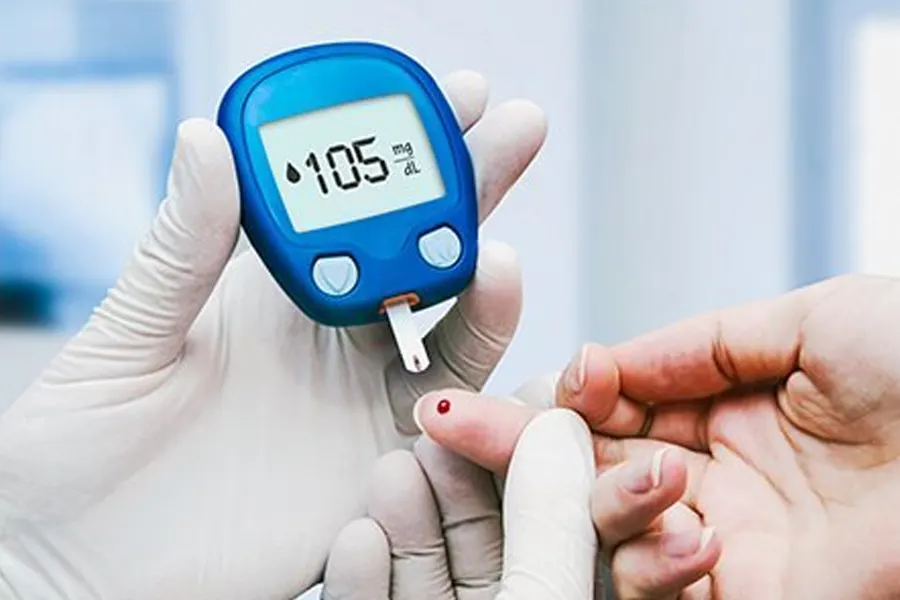
Managing diabetes is not just about keeping blood sugar within a recommended range. It also involves understanding how your body responds to food, medicines, physical activity and everyday habits. Regular monitoring and timely treatment adjustments can help reduce the risk of diabetes-related complications.
If you are looking for Diabetes Management in Navi Mumbai, Dr. Tejas Poyekar, Consultant Physician & Diabetologist, provides consultations for ongoing diabetes care, HbA1c monitoring, medication review and management of associated health conditions at Synergy Health Clinic in Vashi.
Whether you have recently been diagnosed with diabetes or have been managing it for several years, an individualised care plan can help you understand your condition and make informed decisions about your health.
Book a Diabetes Consultation
Synergy Health Clinic, Sector 14, Vashi, Navi Mumbai
What Is Diabetes Management?
Diabetes management is the ongoing process of monitoring and controlling blood glucose levels while addressing other factors that affect long-term health.
It involves a combination of medical treatment, healthy eating habits, physical activity, glucose monitoring and regular follow-up consultations.
Effective diabetes management focuses on:
The aim is to maintain glucose control safely while supporting overall health and quality of life.
Why Is Long-Term Diabetes Management Important?
Diabetes is a chronic condition, and treatment requirements can change over time.
A medicine that previously maintained stable glucose levels may need adjustment as insulin resistance, insulin production, body weight or other medical conditions change.
Without appropriate monitoring, blood sugar may remain elevated for long periods without causing obvious symptoms.
Long-term diabetes management helps patients:
Maintain More Stable Blood Sugar Levels
Regular monitoring helps identify patterns of high and low glucose and allows treatment to be reviewed when necessary.
Reduce the Risk of Complications
Maintaining appropriate glucose levels and managing cardiovascular risk factors can reduce the likelihood of certain diabetes-related complications.
Identify Changes in Health Early
Routine investigations may detect changes in kidney function, eye health or nerve function before significant symptoms develop.
Manage Other Medical Conditions
Diabetes often occurs alongside hypertension, obesity, abnormal cholesterol levels and cardiovascular disease. These conditions may need to be managed together.
Improve Confidence in Daily Diabetes Care
Understanding medication schedules, meal planning, physical activity and glucose readings can make diabetes management more practical and sustainable.
Who Needs Regular Diabetes Management?
Ongoing diabetes care is important for people with Type 1 or Type 2 diabetes, including those whose blood glucose is currently within their recommended range.
Regular follow-up is particularly important if you:
Even when blood sugar appears stable, periodic assessment remains important because diabetes-related complications can develop without early symptoms.
Key Components of Diabetes Management in Navi Mumbai
A comprehensive diabetes management plan addresses several aspects of health rather than focusing only on glucose readings.
1. Blood Sugar Monitoring
Blood glucose monitoring helps patients and physicians understand how glucose levels change throughout the day.
Depending on individual requirements, monitoring may include:
Monitoring frequency depends on diabetes type, medication use, glucose stability and hypoglycaemia risk.
2. Diabetes Medication Management
Diabetes medicines help control blood glucose through different mechanisms. Some improve insulin sensitivity, while others influence insulin secretion, glucose production or glucose removal through the kidneys.
Medication selection depends on:
Regular medication review helps determine whether the existing treatment remains appropriate.
3. Insulin Management
Insulin is essential for people with Type 1 diabetes and may be required by some people with Type 2 diabetes.
Insulin management may include reviewing the prescribed regimen, injection technique, glucose records and hypoglycaemia prevention.
Patients using insulin should understand how to store it correctly, recognise low blood sugar and follow their prescribed treatment plan.
4. Nutrition and Meal Planning
Healthy eating is an important part of diabetes management. A balanced eating plan may include appropriate portions of rice, roti and other carbohydrate-rich foods, vegetables, fibre-rich foods, suitable protein sources, and reduced sugar-sweetened beverages.
People with diabetes do not necessarily need to eliminate carbohydrates. The quantity, quality and timing of carbohydrate intake influence glucose levels.
5. Physical Activity & Weight
Regular exercise can improve insulin sensitivity, support cardiovascular health and help with weight management.
At least 150 minutes of moderate-intensity aerobic activity per week is recommended, adjusted for physical ability.
6. Blood Pressure & Cholesterol
Diabetes increases cardiovascular risk, particularly when accompanied by high blood pressure or abnormal cholesterol levels.
A management plan includes regular BP monitoring, lipid testing and appropriate lifestyle advice.
7. Screening for Complications
Routine screening helps identify early changes affecting the eyes, kidneys, nerves and feet.
Frequency of screening depends on diabetes type, duration, existing complications and clinical findings.
Understanding Blood Sugar Targets in Diabetes Management
Blood glucose targets should be individualised according to the patient's age, medical history, medication regimen and risk of hypoglycaemia.
For many non-pregnant adults with diabetes, commonly used targets include:
| Measurement | General Target |
|---|---|
| HbA1c | Below 7% |
| Fasting or Pre-meal Glucose | 80–130 mg/dL |
| Peak Post-meal Glucose | Below 180 mg/dL |
These targets are not appropriate for everyone. Older adults, people with significant medical conditions and patients experiencing frequent hypoglycaemia may require different goals.
Pregnant patients also have different glucose targets and require pregnancy-specific medical care.
Your physician can help determine which blood sugar targets are appropriate for you.
How Often Should HbA1c Be Checked?
HbA1c reflects average blood glucose exposure over approximately two to three months. It is an important test for assessing longer-term diabetes management.
Every Three Months
When treatment has changed or glucose targets are not being achieved.
Every Six Months
When diabetes is stable and treatment goals are consistently being met.
Testing frequency may differ depending on the clinical situation. Certain medical conditions, including some types of anaemia and disorders affecting red blood cells, can influence HbA1c accuracy.
Home glucose monitoring or continuous glucose monitoring may provide additional information when needed.
What Is Continuous Glucose Monitoring in Diabetes Care?
Continuous glucose monitoring (CGM) uses a wearable sensor to measure glucose levels in the fluid beneath the skin throughout the day and night. It can provide information about glucose trends that may not be captured through occasional finger-prick testing.
CGM may help selected patients identify:
- Glucose rises after meals
- Overnight glucose changes
- Repeated episodes of low blood sugar
- Effects of physical activity
- Glucose patterns related to medication timing
CGM is particularly useful for many insulin-treated patients, although its suitability depends on individual circumstances.
Sensor glucose readings may differ from blood glucose measurements, especially when glucose levels are changing rapidly.
How Can Diabetes Be Managed Through Daily Lifestyle Changes?
Daily habits can influence blood sugar levels, even when medication is taken regularly.
Follow a Consistent Meal Pattern
Eating balanced meals and managing carbohydrate portions can help reduce large glucose fluctuations.
Stay Physically Active
Regular walking, cycling, swimming or other suitable activities can improve insulin sensitivity.
Take Medicines as Prescribed
Missing medication doses or changing doses without medical advice can affect glucose control.
Maintain a Healthy Sleep Routine
Adequate sleep supports overall metabolic health and may help improve glucose regulation.
Monitor Glucose as Recommended
Keeping a record of glucose readings can help identify patterns and support treatment decisions.
Attend Regular Follow-up Appointments
Periodic medical reviews allow treatment to be adjusted when glucose levels or health conditions change.
Sustainable habits are generally more effective than short-term restrictive diets or unverified diabetes remedies.
Managing Low Blood Sugar During Diabetes Treatment
Diabetes management involves preventing both high and low blood sugar.
Hypoglycaemia generally refers to a glucose level below 70 mg/dL. It is more common among people using insulin or certain medicines that increase insulin secretion.
Symptoms may include:
Immediate Management of Hypoglycaemia
For an alert person who can swallow safely, mild hypoglycaemia is commonly treated with approximately 15 grams of fast-acting carbohydrate, followed by a glucose check after 15 minutes. Treatment may need to be repeated if glucose remains low.
Severe hypoglycaemia causing unconsciousness, seizures or inability to swallow requires emergency assistance. Do not give food or drink by mouth to an unconscious person.
Patients at risk should discuss an individual hypoglycaemia management plan with their physician.
Preventing Long-Term Diabetes Complications
Long-term diabetes care includes monitoring for complications that may develop gradually.
Diabetic Eye Disease
Diabetes can affect the retina and cause diabetic retinopathy. Regular dilated retinal examinations are important because early changes may not cause noticeable vision problems.
Diabetic Kidney Disease
Diabetes can damage kidney blood vessels over time. Blood tests and urine albumin screening help evaluate kidney health.
Diabetic Neuropathy
Nerve damage may cause numbness, tingling, burning sensations or reduced sensation, particularly in the feet.
Diabetic Foot Problems
Reduced sensation and impaired circulation can increase the risk of foot injuries, ulcers and infections. Regular foot examinations and prompt evaluation of wounds are important.
Cardiovascular Disease
People with diabetes have an increased risk of heart attack and stroke. Managing blood pressure, cholesterol, smoking and other cardiovascular risk factors is an essential part of diabetes care.
Diabetes Management When You Have Other Health Conditions
Diabetes management may become more complex when other medical conditions are present.
Diabetes and Hypertension
High blood pressure increases the risk of cardiovascular and kidney complications. Managing both conditions can help reduce long-term health risks.
Diabetes and Kidney Disease
Kidney function influences the selection and dosing of certain diabetes medications. Treatment may need adjustment when kidney function changes.
Diabetes and Obesity
Excess body weight can contribute to insulin resistance. Clinically appropriate weight management may improve glucose control and metabolic health.
Diabetes and Heart Disease
Some glucose-lowering medications offer cardiovascular benefits in selected patients with established cardiovascular disease. Treatment selection should consider overall medical history.
Diabetes During Illness (Sick-Day Rules)
Infections, fever and dehydration can cause significant glucose fluctuations. Patients should discuss sick-day guidance, including glucose monitoring, hydration, medication precautions and when to seek urgent medical attention.
When Should Your Diabetes Management Plan Be Reviewed?
You may need an earlier medical review if:
A diabetes management plan should evolve according to your health needs.
Seek emergency care for severe confusion, persistent vomiting, rapid or deep breathing, severe dehydration, unconsciousness or other signs of a hyperglycaemic emergency.
What to Expect During a Diabetes Follow-up Consultation
Regular follow-up appointments help assess whether your diabetes management plan remains suitable.
1 Step 1: Review of Blood Sugar Records
Your doctor reviews fasting, post-meal, HbA1c and other available glucose results.
2 Step 2: Medication Assessment
Current medicines, insulin doses, treatment response and possible side effects are discussed.
3 Step 3: Lifestyle and Daily Routine Review
Eating habits, physical activity, sleep and other factors affecting glucose control may be evaluated.
4 Step 4: Complication Risk Assessment
Blood pressure, kidney health, foot symptoms and other relevant concerns may be reviewed.
5 Step 5: Treatment and Follow-up Planning
Your physician discusses whether treatment changes, additional tests or specialist referrals are needed.
About Dr. Tejas Poyekar – Consultant Physician & Diabetologist in Navi Mumbai

Dr. Tejas Subhash Poyekar
Consultant Physician & Diabetologist
His academic qualifications include:
Dr. Tejas Subhash Poyekar is a Consultant Physician & Diabetologist practising at Synergy Health Clinic in Vashi, Navi Mumbai.
His clinical interests include diabetes, metabolic disorders, hypertension, nephrology-related conditions and general internal medicine.
Dr. Poyekar's approach emphasises individual medical assessment, evidence-based treatment and regular monitoring.
Patients can consult him for diabetes follow-up, blood glucose assessment, medication review and associated medical concerns.
Learn More About Dr. Tejas PoyekarDiabetes Management Consultation in Vashi, Navi Mumbai
Patients seeking ongoing Diabetes Management in Navi Mumbai can consult Dr. Tejas Poyekar at Synergy Health Clinic in Vashi.
Synergy Health Clinic
Shop No. 18, Landmark CHS,
Gaondevi Maidan Road, Near Indian Bank,
Juhu Nagar, Sector 14, Vashi,
Navi Mumbai, Maharashtra – 400703.
Appointment Contact: +91 93263 22562
Patients travelling from other areas of Navi Mumbai can contact the clinic to confirm consultation timings and appointment availability.