
Diabetes Specialist in Vashi, Navi Mumbai – Dr. Tejas Poyekar
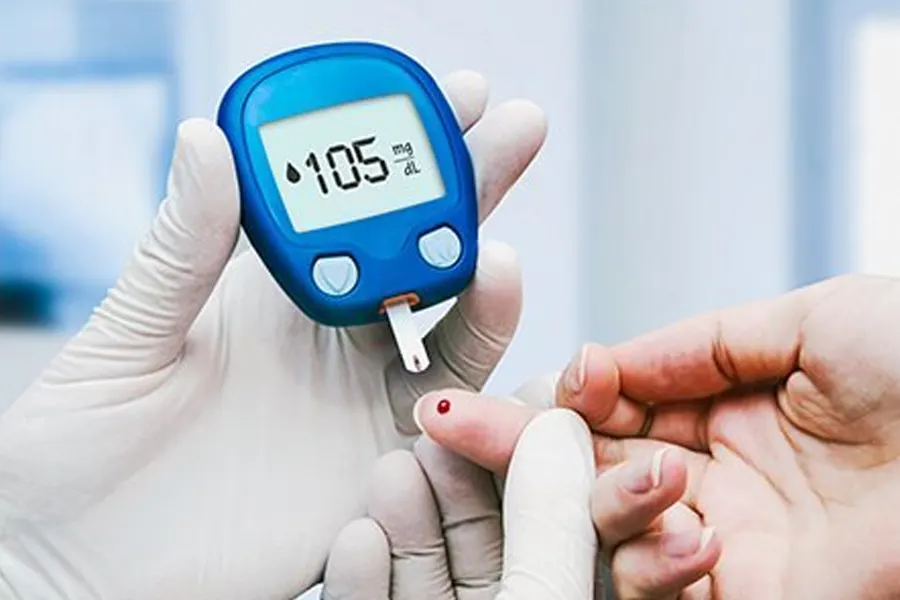
Consult Dr. Tejas Poyekar, Consultant Physician & Diabetologist, for diabetes diagnosis, blood sugar management and personalised diabetes care in Vashi, Navi Mumbai.
Diabetes is a long-term medical condition that requires more than occasional blood sugar testing. Regular monitoring, appropriate medication, dietary changes and timely medical evaluation can help people manage their blood glucose levels and reduce the risk of complications.
If you are looking for a Diabetes Specialist in Vashi, Navi Mumbai, Dr. Tejas Poyekar provides medical consultation for diabetes, prediabetes, fluctuating blood sugar levels and associated metabolic conditions at Synergy Health Clinic, Vashi.
With qualifications including MBBS, MD (General Medicine), DNB (General Medicine) and CCEBDM (Certificate Course in Evidence-Based Diabetes Management), Dr. Poyekar focuses on evidence-based treatment and individualised diabetes management.
Book a Diabetes Consultation
Synergy Health Clinic, Sector 14, Vashi, Navi Mumbai
When Should You Consult a Diabetes Specialist?
You should consider consulting a diabetes specialist if you have been diagnosed with diabetes, have repeatedly elevated blood sugar readings or experience symptoms suggesting abnormal glucose levels.
Medical evaluation may be particularly helpful when:
Early evaluation can help identify the cause of abnormal blood sugar levels and guide appropriate treatment.
Types of Diabetes and Conditions Evaluated
Diabetes can develop for different reasons. Identifying the type of diabetes is important because treatment requirements vary.
1 Type 1 Diabetes
Type 1 diabetes is an autoimmune condition in which the body's immune system damages insulin-producing cells in the pancreas. People with Type 1 diabetes require insulin treatment.
Management involves insulin therapy, regular glucose monitoring, nutrition planning and prevention of hypoglycaemia and diabetic ketoacidosis.
2 Type 2 Diabetes
Type 2 diabetes develops when the body becomes resistant to insulin or cannot produce enough insulin to maintain normal blood glucose levels.
Treatment may include dietary modifications, physical activity, weight management, oral medications, injectable medicines or insulin, depending on individual requirements.
3 Prediabetes
Prediabetes occurs when blood sugar levels are higher than normal but do not meet the diagnostic criteria for diabetes.
Lifestyle changes, weight management and regular follow-up may help delay or prevent progression to Type 2 diabetes. Medication may be considered for selected individuals.
4 Uncontrolled Diabetes
Uncontrolled diabetes refers to blood glucose levels that remain above the individual's recommended target.
Possible contributing factors include insufficient medication effect, missed doses, changes in diet, illness, reduced physical activity or progression of diabetes.
5 Diabetes With Other Medical Conditions
Diabetes frequently occurs alongside hypertension, abnormal cholesterol levels, obesity and cardiovascular or kidney conditions. Managing these conditions together is important for reducing long-term health risks.
Common Symptoms of Diabetes
Some people with diabetes experience noticeable symptoms, while others may have elevated blood sugar without obvious warning signs.
Common symptoms include:

Frequent urination (night)

Increased thirst

Excessive hunger
Unexplained weight loss

Persistent tiredness

Blurred vision

Slow-healing wounds

Recurrent infections

Tingling or numbness
Clinical Diagnostic Note: These symptoms do not always indicate diabetes. Blood tests and medical evaluation are necessary to establish a diagnosis. If you experience persistent symptoms, consult a qualified physician rather than relying on home blood sugar readings alone.
How Is Diabetes Diagnosed?
A diabetes specialist evaluates symptoms, medical history, family history, existing health conditions and laboratory results before recommending treatment.
Common diagnostic tests include:
| Diagnostic Test | What It Measures |
|---|---|
| Fasting Plasma Glucose | Blood glucose after at least 8 hours of fasting |
| HbA1c | Average blood glucose exposure over approximately 2–3 months |
| Postprandial Blood Glucose | Blood sugar after a meal |
| Oral Glucose Tolerance Test | How the body responds to a measured glucose load |
| Random Plasma Glucose | Blood glucose at the time of testing |
Standard Laboratory Criteria for Adults
For non-pregnant adults, diabetes may be diagnosed using laboratory criteria such as an HbA1c of 6.5% or higher, fasting plasma glucose of 126 mg/dL or higher, or a two-hour glucose level of 200 mg/dL or higher during a standard oral glucose tolerance test.
A random plasma glucose level of 200 mg/dL or higher with classic symptoms may also establish the diagnosis. Otherwise, confirmatory testing is generally required. Your doctor may recommend additional investigations based on your symptoms and medical history.
Diabetes Treatment and Blood Sugar Management in Vashi
Diabetes treatment aims to maintain glucose levels within an appropriate individual target range, reduce symptoms and minimise the risk of long-term complications. Dr. Tejas Poyekar's diabetes consultation may involve the following aspects of care:
1. Individualised Diabetes Medication
Different diabetes medications work through different mechanisms, including improving insulin sensitivity, reducing glucose production and supporting blood sugar regulation.
The choice of medication depends on factors such as:
Safety Note: Medication should only be started, stopped or adjusted following appropriate medical advice.
2. Insulin Therapy & Monitoring
Some people with Type 2 diabetes and all people with Type 1 diabetes require insulin treatment.
Insulin management may include selecting an appropriate insulin regimen, reviewing injection technique, monitoring glucose levels and identifying patterns of high or low blood sugar.
3. Diet & Lifestyle Guidance
A diabetes-friendly eating plan does not necessarily require eliminating all carbohydrates or following restrictive diets.
Dietary guidance focuses on balanced meals, portion control, fibre-rich foods, appropriate carbohydrate intake, regular physical activity and weight management.
4. Glucose Monitoring (CGM)
HbA1c testing helps assess longer-term blood sugar control, while home glucose readings can provide information about daily variations.
Continuous glucose monitoring (CGM) may benefit selected patients requiring detailed pattern analysis. Monitoring targets are always individualised.
5. Ongoing Diabetes Follow-up
Diabetes management often requires periodic reassessment because blood glucose levels and treatment requirements change over time.
Follow-up consultations review glucose records, assess medication effectiveness, address lifestyle challenges and check for possible complications.
Why Is Regular HbA1c Monitoring Important?
HbA1c provides an estimate of average blood glucose exposure over the previous two to three months.
For many non-pregnant adults with diabetes, an HbA1c target below 7% may be appropriate. However, targets may differ according to age, other medical conditions, hypoglycaemia risk and individual treatment goals.
An HbA1c result should be interpreted alongside glucose readings, symptoms and overall health. Certain conditions, including some forms of anaemia and altered red blood cell turnover, can affect HbA1c accuracy.
Your diabetes specialist can help determine an appropriate HbA1c target and monitoring schedule.
Managing the Long-Term Risks of Diabetes
Persistently elevated blood glucose can affect different organs and systems over time. Regular diabetes care includes assessing risks associated with:
Diabetic Kidney Disease
Diabetes can damage the kidneys over time. Kidney function tests and urine albumin testing help detect early changes.
Diabetic Neuropathy
Nerve damage associated with diabetes may cause tingling, burning sensations, numbness or reduced sensation, particularly in the feet.
Diabetic Retinopathy
Diabetes can affect blood vessels in the retina. Periodic dilated retinal examinations are important, even when vision appears normal.
Cardiovascular Disease
People with diabetes have an increased risk of heart disease and stroke. Managing blood pressure, cholesterol and other risk factors is vital.
Diabetic Foot Problems
Reduced sensation and impaired circulation may increase the risk of foot injuries and infections. Regular foot checks and timely treatment of wounds are important.
Depending on the findings, coordinated care with an ophthalmologist, nephrologist, cardiologist or another specialist may be recommended.
About Dr. Tejas Poyekar – Diabetologist in Vashi

Dr. Tejas Subhash Poyekar
Consultant MD Physician & Diabetologist
His academic qualifications include:
His clinical interests include diabetes, metabolic disorders, hypertension, cardiovascular conditions, kidney-related disorders and general internal medicine.
Dr. Poyekar's approach focuses on understanding each patient's medical history, reviewing relevant investigations and developing an individualised management plan.
Learn More About Dr. Tejas PoyekarWhat to Expect During Your Diabetes Consultation
During a consultation, your physician may:
Consultation Tip: Bring your previous blood test reports, current medication list and available home glucose readings to help make the consultation more informative.
Diabetes Consultation at Synergy Health Clinic, Vashi
Patients looking for a diabetes specialist in Vashi can consult Dr. Tejas Poyekar at Synergy Health Clinic.
Synergy Health Clinic
Shop No. 18, Landmark
CHS,
Gaondevi Maidan Road, Near Indian Bank,
Juhu
Nagar, Sector 14, Vashi,
Navi Mumbai, Maharashtra –
400703.
Appointment Contact: +91 93263 22562