
Diabetologist in Navi Mumbai – Dr. Tejas Poyekar
Personalised Diabetes Care, Blood Sugar Monitoring and Long-Term Diabetes Management in Vashi, Navi Mumbai
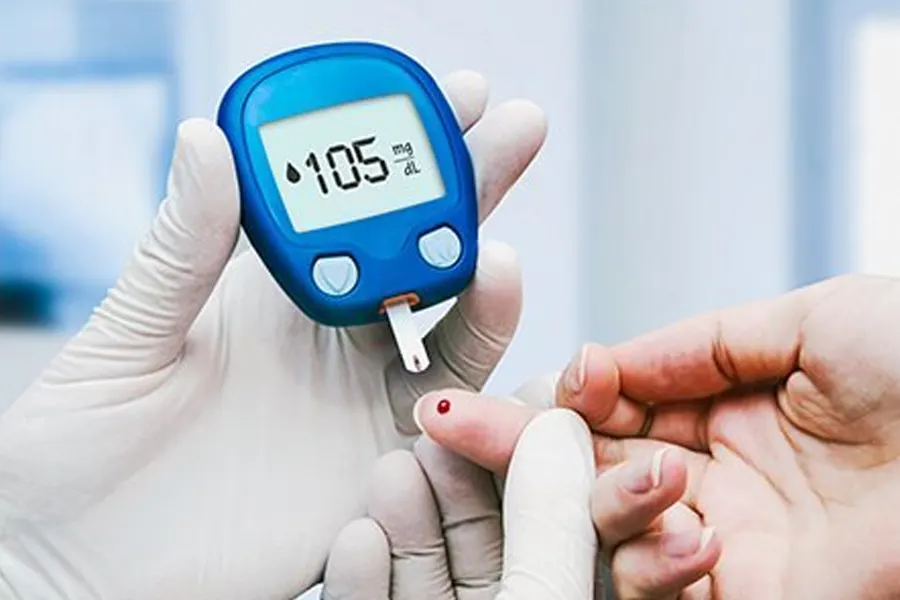
Living with diabetes involves more than taking medication or checking blood sugar occasionally. Your glucose levels can change with eating habits, physical activity, stress, sleep, illness and other health conditions. Regular medical guidance can help you understand these changes and manage diabetes more effectively.
If you are searching for a Diabetologist in Navi Mumbai, Dr. Tejas Poyekar provides consultations for diabetes assessment, blood sugar management, medication review and ongoing monitoring at Synergy Health Clinic in Vashi.
Dr. Tejas Poyekar is a Consultant Physician & Diabetologist with qualifications including MBBS, MD (General Medicine), DNB (General Medicine) and CCEBDM. His approach focuses on evidence-based diabetes care, individual health needs and long-term monitoring.
Book a Diabetes Consultation
Synergy Health Clinic, Sector 14, Vashi, Navi Mumbai
What Does a Diabetologist Do?
A diabetologist is a medical professional who focuses on the diagnosis, treatment and ongoing management of diabetes and related metabolic concerns.
Diabetes affects how the body uses glucose for energy. When blood sugar remains elevated over time, it can increase the risk of complications affecting the eyes, kidneys, nerves, heart and blood vessels.
A diabetologist helps patients understand their condition, set appropriate blood sugar targets and make informed treatment decisions.
Diabetes care may include:
The goal of diabetes management is not only to improve blood sugar readings but also to support long-term health and reduce the risk of complications.
When Should You Visit a Diabetologist in Navi Mumbai?
Consulting a diabetologist may be helpful when you have been newly diagnosed with diabetes, are finding it difficult to manage your glucose levels or need a review of your current treatment.
1 Your Blood Sugar Remains High Despite Medication
If fasting or post-meal glucose levels remain consistently above your recommended range, your treatment may need reassessment.
A diabetologist can review medication use, dietary habits, glucose records and other factors that may affect your readings.
2 Your HbA1c Is Above Your Individual Target
HbA1c reflects average glucose exposure over approximately two to three months.
Persistently elevated HbA1c may indicate that changes in treatment or monitoring are needed. Your target should be based on your age, medical history and risk of low blood sugar.
3 You Experience Frequent Blood Sugar Fluctuations
Repeated episodes of high or low blood sugar can affect daily activities and may require closer monitoring.
Reviewing glucose patterns can help identify possible connections with meals, medication timing, exercise or illness.
4 You Have Recently Been Diagnosed With Type 2 Diabetes
A new diabetes diagnosis can raise questions about medication, food choices, physical activity and future health risks.
An initial consultation helps establish a management plan and appropriate follow-up schedule.
5 You Have Diabetes Along With Other Health Conditions
People living with diabetes may also have hypertension, obesity, abnormal cholesterol levels, kidney disease or cardiovascular conditions.
Managing these conditions together is important because they can influence treatment choices and long-term health outcomes.
Diabetes and Metabolic Conditions Managed
Different types of diabetes require different approaches to treatment and monitoring.
Type 2 Diabetes
Type 2 diabetes is the most common form of diabetes in adults, although it can also occur in younger people.
It develops when the body becomes less responsive to insulin or cannot produce enough insulin to maintain normal glucose levels.
Management may include lifestyle changes, glucose-lowering medication, weight management and regular monitoring.
Type 1 Diabetes
Type 1 diabetes occurs when the immune system damages insulin-producing cells in the pancreas.
People with Type 1 diabetes require lifelong insulin treatment, along with glucose monitoring and education about recognising and managing low or high blood sugar.
Specialist endocrinology input may be needed depending on individual circumstances.
Prediabetes
Prediabetes means blood glucose is higher than normal but does not meet the diagnostic criteria for diabetes.
Early intervention, particularly sustainable lifestyle changes, can reduce the likelihood of progression to Type 2 diabetes.
Uncontrolled Diabetes
Diabetes may be considered inadequately controlled when glucose levels remain outside the recommended individual target range.
Possible causes include changes in medication requirements, missed doses, dietary patterns, infection, stress or progression of the condition.
Diabetes With Hypertension or Dyslipidaemia
High blood pressure and abnormal cholesterol levels frequently occur alongside diabetes.
Addressing these risk factors is an important part of reducing cardiovascular and kidney-related complications.
How Is Diabetes Management Planned?
Diabetes management should be based on the patient's clinical condition rather than a single blood sugar reading. A structured approach typically includes the following steps.
1 Step 1: Medical History and Diabetes Assessment
The consultation begins with understanding your symptoms, diabetes duration, current medication, family history, eating habits and physical activity.
Previous laboratory reports and home glucose readings may also be reviewed.
2 Step 2: Blood Glucose and HbA1c Evaluation
Tests may be recommended to assess current glucose control and identify associated health concerns.
Common investigations include:
| Investigation | Purpose |
|---|---|
| Fasting Plasma Glucose | Measures blood glucose after fasting |
| Postprandial Glucose | Assesses blood sugar after meals |
| HbA1c | Estimates average glucose exposure over 2–3 months |
| Kidney Function Tests | Evaluates kidney health |
| Urine Albumin-to-Creatinine Ratio | Screens for early diabetic kidney damage |
| Lipid Profile | Assesses cholesterol and cardiovascular risk |
Additional tests depend on your medical history and clinical findings.
3 Step 3: Individualised Treatment Planning
The treatment plan may include medication, insulin, nutrition advice, physical activity recommendations and appropriate glucose monitoring.
Factors such as kidney function, cardiovascular risk, weight and the likelihood of hypoglycaemia influence treatment decisions.
4 Step 4: Monitoring and Follow-up
Follow-up visits help assess treatment response, review glucose patterns and identify any new symptoms or complications.
Treatment may be adjusted over time according to clinical requirements.
Understanding HbA1c and Daily Blood Sugar Readings
Many patients ask whether a normal fasting glucose reading means their diabetes is controlled. A single fasting reading does not provide the complete picture.
HbA1c reflects average glucose exposure over approximately two to three months, whereas home glucose monitoring provides information about blood sugar at specific times.
For many non-pregnant adults with diabetes, an HbA1c target below 7% may be appropriate. However, a higher or lower target may be recommended depending on individual circumstances.
Why Can Fasting Sugar Be Normal but HbA1c High?
This can happen when blood glucose rises significantly after meals or at other times of the day.
It may also occur because of variations in glucose control that are not captured by occasional fasting measurements.
Certain medical conditions can affect HbA1c accuracy, so results must be interpreted in the appropriate clinical context.
When Is Continuous Glucose Monitoring Useful?
Continuous glucose monitoring (CGM) measures glucose levels throughout the day and night using a wearable sensor.
It may be useful for selected patients, particularly those using insulin, experiencing frequent hypoglycaemia or needing a clearer understanding of glucose fluctuations.
CGM is not necessary for every patient, and its suitability should be discussed with a physician.
Diabetes Medication and Insulin Management
Different glucose-lowering medicines work through different mechanisms. Some improve insulin sensitivity, some influence insulin secretion, and others affect glucose handling by the kidneys or digestive system.
The choice of medication depends on several factors, including:
Insulin may be required when the body does not produce sufficient insulin or when glucose levels cannot be managed adequately with other treatments.
Important Medical Notice: Patients should not change medication doses or discontinue insulin without medical advice.
Can Lifestyle Changes Help Manage Type 2 Diabetes?
Lifestyle measures are an important part of Type 2 diabetes management, whether or not medication is required.
Balanced Nutrition
A balanced diet can support glucose control without necessarily eliminating carbohydrates.
Meal planning may include appropriate portions, vegetables, whole grains, protein sources and fibre-rich foods.
Regular Physical Activity
Physical activity can improve insulin sensitivity and support cardiovascular health.
Many adults benefit from a combination of aerobic exercise and resistance training, adjusted for their health and physical ability.
Weight Management
For people who are overweight, clinically appropriate weight reduction may improve insulin sensitivity and metabolic health.
Sleep and Stress Management
Inadequate sleep and persistent stress can affect glucose regulation and make diabetes management more challenging.
Medication Adherence
Taking prescribed medication consistently and attending follow-up consultations are important for maintaining glucose control.
Lifestyle changes support diabetes management, but they should not replace prescribed treatment without medical supervision.
Why Long-Term Diabetes Monitoring Matters
Diabetes can affect different organs gradually, sometimes before noticeable symptoms develop. Regular medical monitoring may help detect problems earlier.
Eye Health
Diabetic retinopathy can develop without early visual symptoms. Regular retinal screening helps identify changes requiring ophthalmological care.
Kidney Health
Blood and urine tests can help identify early signs of diabetic kidney disease.
Nerve Health
Symptoms such as numbness, tingling or burning sensations may indicate diabetic neuropathy and should be evaluated.
Foot Health
Foot examinations help identify reduced sensation, circulation problems, wounds and infection risks.
Heart and Blood Vessel Health
Managing blood pressure, cholesterol, glucose levels and other cardiovascular risk factors is essential for comprehensive diabetes care.
The frequency of screening depends on diabetes type, duration and individual health risks.
Can Type 2 Diabetes Go Into Remission?
Some people with Type 2 diabetes can achieve remission, particularly following substantial and sustained weight loss.
Diabetes remission is generally defined as an HbA1c below 6.5% that persists for at least three months without glucose-lowering medication.
However, remission does not mean diabetes is permanently cured. Blood glucose can rise again, and continued monitoring remains necessary.
Not everyone can achieve remission, and treatment decisions should be based on individual medical assessment rather than expectations of guaranteed reversal.
About Dr. Tejas Poyekar – Consultant Physician & Diabetologist

Dr. Tejas Subhash Poyekar
Consultant Physician & Diabetologist
His academic qualifications include:
Dr. Tejas Subhash Poyekar is a Consultant Physician & Diabetologist practising at Synergy Health Clinic in Vashi, Navi Mumbai.
His clinical interests include diabetes, metabolic disorders, hypertension and general internal medicine.
His approach to diabetes care includes reviewing individual health concerns, interpreting relevant investigations and discussing appropriate treatment and monitoring options.
Patients can consult Dr. Poyekar for newly diagnosed diabetes, ongoing glucose management, medication review and associated medical concerns.
Read More About Dr. Tejas PoyekarWhat to Bring to Your Diabetologist Consultation
If you are visiting a diabetologist for the first time, bringing relevant medical information can help make the consultation more productive.
Consider carrying:
You do not need to complete every investigation before your appointment. Your physician can recommend tests based on your medical history and clinical assessment.
Diabetologist Consultation in Vashi, Navi Mumbai
Patients looking for a Diabetologist in Navi Mumbai can consult Dr. Tejas Poyekar at Synergy Health Clinic in Vashi.
Synergy Health Clinic
Shop No. 18, Landmark
CHS,
Gaondevi Maidan Road, Near Indian Bank,
Juhu
Nagar, Sector 14, Vashi,
Navi Mumbai, Maharashtra –
400703.
For Appointments: +91 93263 22562
Patients travelling from other parts of Navi Mumbai can contact the clinic to confirm consultation timings and appointment availability.