
Prediabetes Treatment in Vashi, Navi Mumbai
Early Blood Sugar Evaluation, Insulin Resistance Management and Diabetes Prevention With Dr. Tejas Poyekar
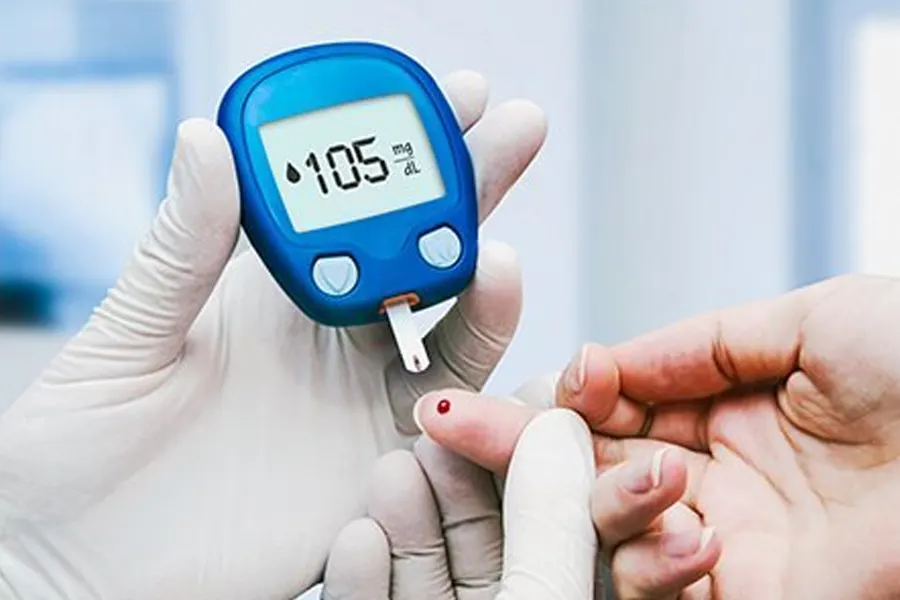
Have your recent blood tests shown slightly elevated fasting blood sugar or an HbA1c between 5.7% and 6.4%? You may have prediabetes, a condition in which blood glucose levels are higher than normal but have not yet reached the diagnostic range for diabetes.
Prediabetes often develops without noticeable symptoms. Many people discover it during a routine health check-up or while being evaluated for weight gain, high blood pressure or cholesterol-related concerns.
If you are looking for Prediabetes Treatment in Vashi, Navi Mumbai, Dr. Tejas Poyekar, Consultant Physician & Diabetologist, provides medical consultations for elevated blood glucose, prediabetes, insulin resistance and related metabolic concerns at Synergy Health Clinic, Vashi.
Early identification and appropriate management can help reduce the risk of progression to Type 2 diabetes and support long-term metabolic health.
Book a Consultation
Synergy Health Clinic, Sector 14, Vashi, Navi Mumbai
What Is Prediabetes?
Prediabetes is a metabolic condition in which blood glucose levels are higher than the normal range but not high enough to meet the diagnostic criteria for diabetes.
It commonly develops when the body's cells become less responsive to insulin, a hormone that helps glucose enter cells for energy.
To compensate, the pancreas may produce more insulin. Over time, blood glucose can begin to rise if the body cannot maintain adequate glucose regulation.
Prediabetes does not mean that Type 2 diabetes is inevitable.
With appropriate lifestyle changes and regular medical monitoring, many people can improve their glucose levels and reduce their risk of developing diabetes.
What Blood Sugar Levels Indicate Prediabetes?
Prediabetes is identified through laboratory blood tests rather than symptoms alone.
Commonly used diagnostic ranges include:
| Blood Test | Prediabetes Range | Diabetes Range |
|---|---|---|
| HbA1c | 5.7%–6.4% | 6.5% or higher |
| Fasting Plasma Glucose | 100–125 mg/dL | 126 mg/dL or higher |
| 2-Hour Oral Glucose Tolerance Test | 140–199 mg/dL | 200 mg/dL or higher |
These thresholds reflect commonly used ADA criteria for non-pregnant adults. Some organisations, including the WHO, use different thresholds for impaired fasting glucose and do not use HbA1c identically for defining prediabetes.
Results should be interpreted by a qualified physician, particularly when tests disagree or when conditions affecting HbA1c accuracy are present.
A single borderline result may require repeat testing or further evaluation.
What Causes Prediabetes?
Prediabetes usually develops through a combination of insulin resistance, genetic susceptibility and metabolic factors.
1 Insulin Resistance
Insulin resistance occurs when muscle, liver and fat cells do not respond to insulin as effectively as they should.
The pancreas may initially compensate by producing more insulin, but glucose levels can gradually rise.
2 Excess Abdominal Fat
Excess body fat, particularly around the abdomen, is associated with increased insulin resistance.
However, prediabetes can also develop in people who are not overweight.
3 Family History of Diabetes
Having a parent or sibling with Type 2 diabetes increases the likelihood of developing prediabetes.
4 Physical Inactivity
A sedentary lifestyle can reduce insulin sensitivity and contribute to weight gain and metabolic changes.
5 Dietary Patterns
Frequent consumption of sugar-sweetened beverages, excess calories and highly refined carbohydrates may contribute to weight gain and metabolic risk.
Overall dietary patterns matter more than any single food.
6 Associated Medical Conditions
Conditions such as hypertension, abnormal cholesterol levels, polycystic ovary syndrome (PCOS) and a history of gestational diabetes may be associated with a higher risk of prediabetes.
7 Age and Genetic Factors
The likelihood of prediabetes generally increases with age, although it is increasingly identified in younger adults as well.
South Asian populations may develop Type 2 diabetes at lower BMI levels than some other populations, making risk-based screening particularly important.
What Are the Symptoms of Prediabetes?
Most people with prediabetes have no noticeable symptoms. This is one reason why routine screening is important for people with diabetes risk factors.
Some individuals may have:
Acanthosis Nigricans
Darkened, thickened skin around the neck, armpits or groin, which can be associated with insulin resistance.
Excess Abdominal Weight
Increased abdominal circumference or visceral adiposity that influences insulin response.
Metabolic Risk Factors
Co-existing health conditions such as elevated blood pressure or abnormal cholesterol levels.
These findings do not confirm prediabetes.
Please Note: Frequent urination, excessive thirst, unexplained weight loss or blurred vision may indicate more significant hyperglycaemia and should prompt evaluation for diabetes or another medical condition.
Who Should Get Tested for Prediabetes?
Screening may be recommended based on age, weight, family history and other diabetes risk factors.
You may benefit from testing if you:
South Asian Population Risk: People of South Asian ancestry may require screening at lower BMI thresholds.
Your physician can help determine whether screening is appropriate and how often it should be repeated.
How Is Prediabetes Diagnosed?
Prediabetes is usually diagnosed through laboratory testing combined with an assessment of individual risk factors.
HbA1c Test
HbA1c estimates average glucose exposure over approximately two to three months. It does not require fasting, although certain conditions, including some forms of anaemia and altered red blood cell turnover, may affect its accuracy.
Fasting Plasma Glucose Test
This measures blood glucose after at least eight hours without caloric intake. It helps identify impaired fasting glucose.
Oral Glucose Tolerance Test
An oral glucose tolerance test measures how the body responds to a standard glucose drink. It may identify impaired glucose tolerance even when fasting glucose is not elevated.
Additional Metabolic Assessment
Depending on your medical history, your physician may also evaluate:
Routine fasting insulin testing is generally not necessary to diagnose prediabetes.
Prediabetes Treatment Options in Vashi, Navi Mumbai
Prediabetes management focuses on reducing the likelihood of progression to Type 2 diabetes and improving overall metabolic health.
Treatment is individualised according to glucose levels, body weight, medical history and associated risk factors.
1. Personalised Dietary Changes
Dietary improvements are among the most important interventions for prediabetes.
A sustainable eating plan may include:
For Indian diets, this may involve adjusting portions of rice, roti and other carbohydrate-rich foods rather than completely avoiding them.
2. Weight Management
For people who are overweight, modest weight reduction can significantly improve insulin sensitivity.
Structured diabetes prevention programmes commonly aim for approximately 5%–7% weight loss, although individual targets may vary.
Weight loss is not required for everyone with prediabetes. People with normal body weight may still benefit from improvements in physical activity, dietary quality and metabolic health.
3. Regular Physical Activity
Exercise helps muscles use glucose more efficiently and can improve insulin sensitivity.
Many adults benefit from at least 150 minutes of moderate-intensity physical activity per week. Activities may include brisk walking, cycling, swimming or other suitable exercise.
Resistance training can also support muscle health and glucose regulation. Exercise recommendations should be adjusted for existing medical conditions and physical ability.
4. Improving Sleep and Daily Habits
Inadequate sleep, irregular routines and prolonged stress can affect metabolic health.
Maintaining consistent sleep patterns, limiting sedentary time and adopting sustainable daily habits may support glucose regulation.
5. Medication for Selected High-Risk Patients
Medication is not necessary for every person with prediabetes.
Metformin may be considered for selected adults at higher risk of progression to Type 2 diabetes, particularly those with significant obesity, younger age, higher fasting glucose or HbA1c, or a history of gestational diabetes.
The decision should consider potential benefits, side effects, kidney function and individual clinical circumstances.
6. Regular Blood Sugar Monitoring
Follow-up testing helps determine whether glucose levels are improving, remaining stable or progressing toward diabetes.
Monitoring may include repeat HbA1c or fasting glucose testing according to the patient's risk profile.
Can Prediabetes Be Reversed?
Many people with prediabetes can return their blood glucose levels to the normal range, particularly after making sustained lifestyle changes.
This may occur through improvements in insulin sensitivity, weight management and physical activity.
However, returning to a normal glucose range does not eliminate the possibility of developing diabetes in the future. Genetic susceptibility and other risk factors may remain.
Prediabetes improvement is possible, but there is no guaranteed or permanent cure.
Continued healthy habits and periodic monitoring are important even after blood glucose levels improve.
How Long Does It Take to Improve Prediabetes?
The time required to improve blood glucose varies between individuals.
Some people may notice changes in fasting glucose within weeks of adopting appropriate lifestyle measures.
HbA1c generally takes longer to reflect sustained improvements because it represents average glucose exposure over approximately two to three months.
A physician may recommend reassessment after several months, depending on initial results and risk factors.
Long-term consistency is usually more important than short-term restrictive diets or rapid weight-loss attempts.
What Happens if Prediabetes Is Left Untreated?
Prediabetes increases the risk of developing Type 2 diabetes, although progression is not inevitable.
It is also associated with cardiovascular risk factors such as excess abdominal fat, hypertension and abnormal cholesterol levels.
Over time, progression to diabetes can increase the risk of:
Diabetic Kidney Disease
Progression to diabetes can cause damage to the kidneys' small filtering blood vessels.
Diabetic Retinopathy
High blood sugar levels over time can affect retinal vessels, impacting visual health.
Peripheral Neuropathy
Elevated glucose can damage peripheral nerves, leading to numbness or tingling sensations.
Heart Disease and Stroke
Insulin resistance and elevated blood sugar are closely linked with increased cardiovascular risks.
Diabetic Foot Complications
Reduced nerve sensation and circulation issues may increase susceptibility to foot injuries and delayed healing.
Not everyone with prediabetes will develop these complications. The main objective of early management is to reduce future risk and address associated metabolic concerns.
Prediabetes vs Type 2 Diabetes: What Is the Difference?
| Feature | Prediabetes | Type 2 Diabetes |
|---|---|---|
| Blood Glucose | Above normal, below diabetes threshold | Meets diabetes diagnostic criteria |
| HbA1c | 5.7%–6.4% | 6.5% or higher |
| Symptoms | Usually absent | May be present or absent |
| Primary Management | Lifestyle intervention and risk reduction | Lifestyle changes, medication when needed and monitoring |
| Medication | Considered for selected high-risk individuals | Often required, depending on clinical condition |
| Monitoring | Periodic glucose testing | Ongoing glucose and complication monitoring |
These HbA1c ranges reflect commonly used ADA criteria. Diagnosis and management should be individualised.
Why Early Prediabetes Management Matters for Indian Adults
Type 2 diabetes is an important health concern among Indian adults.
South Asian populations may experience insulin resistance and metabolic complications at relatively lower BMI levels compared with some other populations.
As a result, a person may have an increased risk of prediabetes even without appearing significantly overweight.
Early screening is particularly relevant for individuals with a family history of diabetes, abdominal obesity, hypertension or other metabolic risk factors.
People living in Vashi and other areas of Navi Mumbai who have received borderline glucose results can seek medical evaluation to understand their risk and discuss appropriate preventive measures.
About Dr. Tejas Poyekar – Consultant Physician & Diabetologist in Vashi

Dr. Tejas Subhash Poyekar
Consultant Physician & Diabetologist
His academic qualifications include:
Dr. Tejas Subhash Poyekar is a Consultant Physician & Diabetologist practising in Vashi, Navi Mumbai.
His clinical interests include diabetes, metabolic disorders, hypertension and general internal medicine.
Dr. Poyekar provides medical consultations for elevated glucose levels, prediabetes, Type 2 diabetes and associated metabolic concerns.
For patients with prediabetes, the consultation may involve evaluating diabetes risk factors, reviewing laboratory findings and discussing appropriate lifestyle measures, follow-up testing or medication when clinically indicated.
Learn More About Dr. Tejas PoyekarWhat to Expect During Your Prediabetes Consultation
A prediabetes consultation may include the following steps:
1 Step 1 – Reviewing Your Blood Test Reports
Your doctor reviews HbA1c, fasting glucose and other available laboratory results.
2 Step 2 – Assessing Diabetes Risk Factors
Family history, body weight, waist circumference, dietary habits, physical activity and associated health conditions may be discussed.
3 Step 3 – Evaluating Metabolic Health
Blood pressure, cholesterol levels and other relevant health indicators may be assessed.
4 Step 4 – Discussing a Prevention Plan
Your physician may recommend individualised dietary changes, physical activity, weight management or medication for selected high-risk patients.
5 Step 5 – Planning Follow-up Testing
A monitoring schedule is recommended according to your blood glucose results and overall risk.
Prediabetes Consultation at Synergy Health Clinic, Vashi, Navi Mumbai
Patients looking for Prediabetes Treatment in Vashi, Navi Mumbai, can consult Dr. Tejas Poyekar at Synergy Health Clinic.
Synergy Health Clinic
Shop No. 18, Landmark CHS,
Gaondevi Maidan Road, Near Indian Bank,
Juhu Nagar, Sector 14, Vashi,
Navi Mumbai, Maharashtra – 400703.
Appointment Contact: +91 93263 22562
Patients from other areas of Navi Mumbai can contact the clinic to confirm consultation timings and appointment availability.