
Uncontrolled Diabetes Treatment in Vashi, Navi Mumbai
Medical Evaluation, High HbA1c Management and Personalised Blood Sugar Control With Dr. Tejas Poyekar
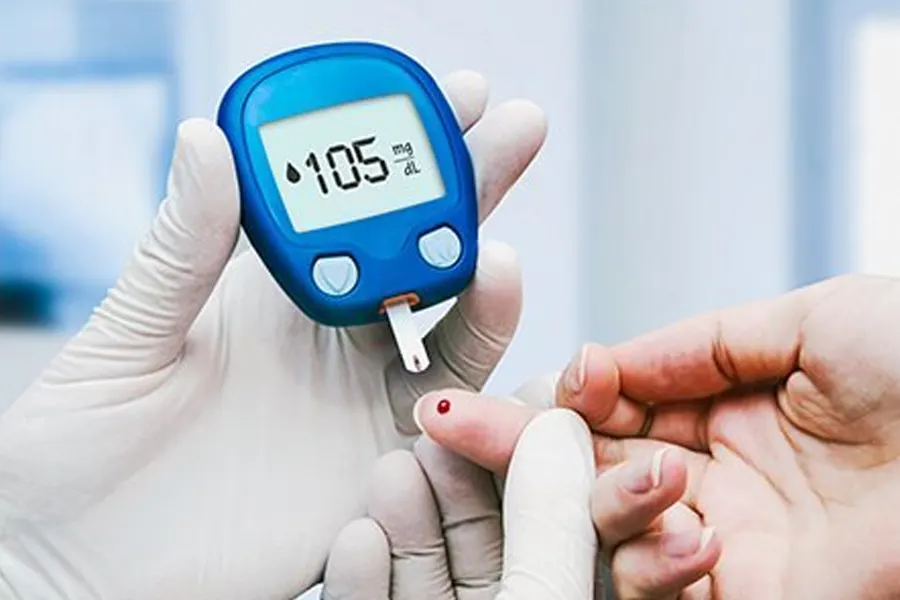
Are your blood sugar readings staying high even though you take diabetes medication regularly? Is your HbA1c increasing despite changes to your diet and lifestyle? Persistently elevated blood sugar may indicate that your current diabetes management plan needs reassessment.
Uncontrolled diabetes occurs when blood glucose levels remain above an individual's recommended target range over time. This may happen due to changes in insulin production, insulin resistance, medication requirements, dietary habits, illness or other medical factors.
If you are looking for Uncontrolled Diabetes Treatment in Vashi, Navi Mumbai, Dr. Tejas Poyekar, Consultant Physician & Diabetologist, provides medical consultations for persistently elevated glucose levels, high HbA1c, fluctuating blood sugar and diabetes medication review at Synergy Health Clinic, Vashi.
Treatment focuses on identifying why blood sugar remains elevated, assessing associated health risks and developing an individualised management plan.
Book a Diabetes Consultation
Synergy Health Clinic, Sector 14, Vashi, Navi Mumbai
What Is Uncontrolled Diabetes?
Uncontrolled diabetes refers to a situation in which blood glucose levels remain consistently higher than the target recommended for a person with diabetes.
Blood sugar targets vary depending on age, diabetes type, other medical conditions, medication use and risk of hypoglycaemia.
For many non-pregnant adults with diabetes, commonly used treatment targets include:
| Measurement | Common Treatment Target |
|---|---|
| HbA1c | Below 7% |
| Fasting or Pre-meal Glucose | 80–130 mg/dL |
| Peak Post-meal Glucose | Below 180 mg/dL |
These are general targets, not universal requirements. Your physician may recommend different goals based on your clinical condition.
A single elevated reading does not necessarily mean diabetes is uncontrolled. Repeated glucose measurements, HbA1c results and clinical evaluation help determine whether treatment changes are necessary.
What Are the Signs and Symptoms of Uncontrolled Diabetes?
Some people experience symptoms when glucose levels remain high, while others may not notice any obvious changes.
Common symptoms include:
Frequent Urination
Particularly at night, as the body attempts to remove excess glucose through urine.
Excessive Thirst
Increased fluid loss can lead to dehydration and persistent thirst.
Unexplained Weight Loss
The body may break down fat and muscle when glucose cannot be used effectively.
Persistent Tiredness
High blood sugar and associated dehydration may contribute to fatigue.
Blurred Vision
Changes in blood glucose can temporarily affect the eye's focusing ability.
Slow-Healing Wounds
Prolonged hyperglycaemia can impair wound healing.
Recurrent Infections
Skin, urinary or fungal infections may occur more frequently.
Tingling or Numbness
Long-term diabetes-related nerve damage may cause altered sensation in the feet or hands.
These symptoms can have causes other than diabetes. Appropriate blood tests and medical evaluation are needed to determine the reason.
Warning Signs That Require Urgent Medical Attention
Very high blood sugar can sometimes lead to serious emergencies, including diabetic ketoacidosis (DKA) or hyperosmolar hyperglycaemic state (HHS).
Seek emergency medical care if high blood sugar is accompanied by:
- Persistent vomiting or severe abdominal pain
- Deep or rapid breathing
- Fruity-smelling breath
- Severe dehydration or inability to keep fluids down
- Confusion, extreme drowsiness or loss of consciousness
- Marked weakness or rapidly worsening illness
These symptoms should not be managed by waiting for a routine clinic appointment. DKA can occur even when glucose is not extremely high, particularly in people taking SGLT2 inhibitor medicines.
Why Does Blood Sugar Remain High Despite Medication?
There is no single reason why diabetes becomes difficult to control. Identifying the contributing factors is an important part of treatment.
1 Increasing Insulin Resistance
In Type 2 diabetes, the body's cells may become less responsive to insulin. As a result, glucose remains elevated even when insulin is present.
Excess body fat, physical inactivity and certain medical conditions may contribute to insulin resistance.
2 Changes in Insulin Production
Type 2 diabetes can progress over time. The pancreas may gradually produce less insulin, meaning medication that previously worked well may no longer be sufficient.
3 Medication-Related Factors
Missed doses, incorrect timing, unsuitable doses or difficulties following a treatment schedule can affect glucose control.
Some medicines prescribed for other conditions, such as corticosteroids, can also increase blood sugar.
4 Dietary Habits and Meal Patterns
Large portions of carbohydrate-rich foods, sugary drinks, frequent snacking or irregular meals may contribute to glucose fluctuations.
However, persistently high glucose should not automatically be attributed to diet alone.
5 Infection, Illness or Physical Stress
Fever, infection, surgery and other physical stresses can increase glucose levels through changes in stress hormones.
Temporary adjustments to monitoring and treatment may be needed during illness.
6 Inadequate Sleep & Reduced Activity
Poor sleep, sedentary behaviour and changes in daily routines can influence insulin sensitivity and blood glucose levels.
7 Incorrect Insulin Administration
For people using insulin, problems with injection technique, missed injections, injection-site changes or improper insulin storage may affect treatment effectiveness.
8 Other Medical Conditions
Certain endocrine disorders, medication effects and other health conditions can make diabetes more difficult to manage.
A physician may investigate these possibilities when clinically indicated.
How Is Uncontrolled Diabetes Diagnosed and Evaluated?
Uncontrolled diabetes is assessed through glucose measurements, HbA1c results, symptoms, medical history and treatment response.
During your consultation, Dr. Tejas Poyekar may review your current medicines, blood glucose records, diet, activity levels and any symptoms suggesting complications.
Tests That May Be Recommended
| Investigation | Why It May Be Needed |
|---|---|
| HbA1c | Evaluates longer-term glucose control |
| Fasting Plasma Glucose | Measures glucose after fasting |
| Postprandial Blood Glucose | Assesses glucose after meals |
| Kidney Function Tests | Evaluates kidney health and helps guide medication decisions |
| Urine Albumin-to-Creatinine Ratio | Screens for diabetic kidney disease |
| Lipid Profile | Assesses cardiovascular risk |
| Urine or Blood Ketones | May be needed when DKA is suspected |
| Continuous Glucose Monitoring | Helps assess glucose patterns in selected patients |
Additional investigations may be recommended depending on the type of diabetes, symptoms and clinical findings.
HbA1c alone does not explain why diabetes is uncontrolled. Reviewing daily glucose patterns and treatment-related factors can provide important additional information.
Uncontrolled Diabetes Treatment Options in Vashi, Navi Mumbai
Treatment aims to bring blood glucose closer to an appropriate individual target while avoiding hypoglycaemia and reducing the risk of long-term complications.
There is no single treatment suitable for every patient.
1. Reviewing and Adjusting Diabetes Medication
A physician may reassess your current glucose-lowering medicines if your HbA1c remains above target.
Treatment changes depend on:
Some patients may need changes in medication doses, combinations or treatment classes.
Do not increase doses or combine diabetes medicines without medical advice.
2. Insulin Therapy When Clinically Required
Insulin may be recommended for people with Type 2 diabetes who have marked hyperglycaemia, symptoms of insulin deficiency or inadequate glucose control despite other treatments.
Insulin may also be needed temporarily during severe illness, surgery or other specific situations.
People with Type 1 diabetes require insulin.
When insulin is prescribed, appropriate education about injection technique, glucose monitoring, dose adjustment and hypoglycaemia management is essential.
3. Managing High Fasting Blood Sugar
Persistently elevated fasting glucose may result from insufficient overnight insulin effect, increased glucose production by the liver, late-night food intake or other factors.
A physician may review bedtime and morning readings, medication timing and glucose trends before recommending changes.
4. Managing High Post-Meal Blood Sugar
Some patients have acceptable fasting glucose readings but experience significant glucose rises after meals.
Management may involve reviewing meal composition, carbohydrate portions, physical activity and medication requirements.
5. Medical Nutrition and Weight Management
Dietary changes can help improve glucose control, particularly in Type 2 diabetes.
Recommendations may include:
A qualified dietitian may be involved when individualised medical nutrition therapy is needed.
6. Physical Activity and Lifestyle Changes
Regular physical activity can improve insulin sensitivity and support cardiovascular health.
For many adults, a combination of aerobic exercise and resistance training is beneficial.
However, people with severe hyperglycaemia, significant complications or positive ketones may need to avoid strenuous exercise until medically assessed.
7. Continuous Glucose Monitoring (CGM)
Continuous glucose monitoring uses a sensor to track glucose levels throughout the day and night. For selected patients, it can help identify:
- Overnight glucose fluctuations
- Post-meal glucose spikes
- Episodes of hypoglycaemia
- Patterns related to exercise or medication timing
CGM may support treatment decisions but is not required for every patient.
What If Your HbA1c Remains Above 8%, 9% or 10%?
A high HbA1c indicates increased average glucose exposure, but the appropriate treatment response depends on your symptoms and overall medical condition.
HbA1c Around 8%
An HbA1c of approximately 8% is above the usual target for many adults with diabetes.
A physician may review glucose patterns, medication adherence, lifestyle factors and whether treatment changes are needed.
HbA1c Around 9%
An HbA1c of approximately 9% indicates substantial hyperglycaemia for many patients.
A timely treatment review is important to identify contributing factors and determine whether additional glucose-lowering therapy is appropriate.
HbA1c of 10% or Higher
An HbA1c of 10% or higher indicates markedly elevated average glucose exposure.
Prompt medical evaluation is recommended. Insulin may be considered, especially when patients have symptoms, significant weight loss or very high glucose readings. The decision depends on diabetes type, symptoms, glucose measurements and other clinical factors.
Important: HbA1c results should not be used alone to decide whether emergency treatment is required. Acute symptoms, ketones, dehydration and current glucose levels may be more important in urgent situations.
Can Uncontrolled Diabetes Become Controlled Again?
Many people with persistently elevated glucose can achieve improved blood sugar control after the reasons for hyperglycaemia are identified and treatment is appropriately adjusted.
Improvement may involve:
The time needed to improve glucose control varies.
Home glucose readings may begin changing before a measurable improvement appears in HbA1c, because HbA1c reflects glucose exposure over several weeks.
Improved glucose control is possible for many patients, but outcomes depend on the type of diabetes, its duration and individual health factors.
What Happens if Uncontrolled Diabetes Is Left Untreated?
Persistently elevated blood sugar can increase the risk of both short-term and long-term health problems.
Diabetic Kidney Disease
High glucose can damage the kidneys over time. Routine kidney function and urine albumin testing may help detect early changes.
Diabetic Retinopathy
Diabetes can affect retinal blood vessels and may cause vision problems. Regular retinal examinations are important even when vision appears normal.
Diabetic Neuropathy
Long-term glucose elevation can contribute to nerve damage, causing tingling, numbness, burning sensations or reduced sensation.
Heart Disease and Stroke
Diabetes increases cardiovascular risk, particularly when combined with hypertension, high cholesterol or smoking.
Diabetic Foot Complications
Reduced sensation, poor circulation and delayed wound healing can increase the risk of foot ulcers and infections.
Acute Hyperglycaemic Emergencies
Severe insulin deficiency or marked hyperglycaemia may lead to diabetic ketoacidosis or hyperosmolar hyperglycaemic state, both of which require emergency treatment.
Regular monitoring and appropriate diabetes management can help reduce these risks.
How Often Should You Monitor Blood Sugar When Diabetes Is Uncontrolled?
Monitoring frequency depends on the type of diabetes, treatment regimen and degree of glucose instability.
- People using multiple daily insulin injections may require frequent glucose checks or CGM.
- Patients using medicines with a low risk of hypoglycaemia may need a different monitoring schedule.
- HbA1c is commonly reassessed approximately every three months when glucose targets are not being achieved or treatment has recently changed.
A physician can recommend a monitoring plan based on your individual needs.
About Dr. Tejas Poyekar – Consultant Physician & Diabetologist in Vashi

Dr. Tejas Subhash Poyekar
Consultant Physician & Diabetologist
His academic qualifications include:
Dr. Tejas Subhash Poyekar is a Consultant Physician & Diabetologist practising in Vashi, Navi Mumbai.
His clinical interests include diabetes, metabolic disorders, hypertension and general internal medicine.
Dr. Poyekar provides medical consultations for diabetes assessment, glucose monitoring, medication review and associated medical conditions.
For patients experiencing persistently elevated glucose or high HbA1c, the consultation focuses on reviewing possible causes, evaluating health risks and discussing appropriate treatment options.
Learn More About Dr. Tejas PoyekarWhat to Expect During Your Consultation for Uncontrolled Diabetes
A consultation may involve the following steps:
1 Step 1 – Reviewing Your Glucose History
Your doctor reviews fasting and post-meal readings, HbA1c results and any available home glucose records.
2 Step 2 – Understanding Your Current Treatment
Existing medicines, insulin use, dosing schedules and possible treatment-related difficulties are discussed.
3 Step 3 – Identifying Contributing Factors
Dietary habits, physical activity, recent illness, other medicines and associated health conditions may be evaluated.
4 Step 4 – Assessing Diabetes-Related Risks
Additional tests or examinations may be recommended to assess kidney, cardiovascular, nerve or eye health.
5 Step 5 – Planning Treatment and Follow-up
An individualised management plan is discussed, along with appropriate glucose targets and follow-up recommendations.
Uncontrolled Diabetes Consultation at Synergy Health Clinic, Vashi
Patients looking for uncontrolled diabetes treatment in Vashi, Navi Mumbai, can consult Dr. Tejas Poyekar at Synergy Health Clinic.
Synergy Health Clinic
Shop No. 18, Landmark CHS,
Gaondevi Maidan Road, Near Indian Bank,
Juhu Nagar, Sector 14, Vashi,
Navi Mumbai, Maharashtra – 400703.
Appointment Contact: +91 93263 22562
Patients from other areas of Navi Mumbai can contact the clinic to confirm consultation timings and appointment availability.